















Growing sustainability and plantation productivity through UTAR Plantation Technology programme
October 29, 2025 | Campus News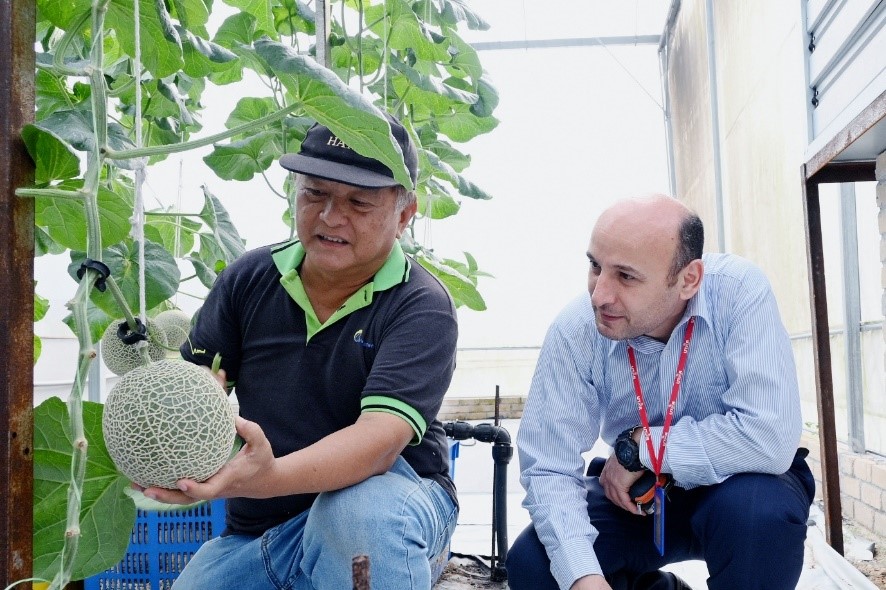
Agriculture in today’s world is more than growing food; it is also growing solutions. It’s also among the frontrunners to show us that the right integrated system could generate solutions to some of the most pressing global challenges – resource scarcity, environmental degradation, labour shortages, and food security. That system is plantation technology and modern plantation management. It’s becoming the foundation for building a resilient, profitable, and environmentally responsible agriculture industry. This will enable more regenerative systems to be developed, with the aim to protect lands, empower farmers, and secure food systems for generations to come.
In achieving that, Universiti Tunku Abdul Rahman (UTAR) is now offering the Bachelor of Plantation Technology (Management) with Honours programme, in the Faculty of Science (FSc). It is part of its effort to nurtures leaders who are capable of transforming agriculture from an extractive industry into a regenerative force for people, profit, and the planet.
FSc’s Department of Agricultural and Food Science Head Dr Ali Yassoralipour said, “Plantation technology and management are more than just enhancing plantation productivity and sustainability. It is also about having talents with the right technical knowledge, digital skills, and sustainability mindset to modernise and manage plantations. Considering this, our programme encompasses knowledge and skills on modern plantation science, digital technologies, and eco-friendly practices to nurture future-ready professionals who can transform plantations into efficient, profitable, and environmentally responsible enterprises — locally and globally.”
The Bachelor of Plantation Technology (Management) with Honours programme emphases to equip students with knowledge on sustainable plantation management that will provide them the understanding on agronomic principles for major plantations crops. Agricultural technology integration in the programme give students hands-on training in digital farming tools, and exposes them to mechanisation and automation used for harvesting, fertilising, and pest control. This will also train students to analyse and interpret real-time date for better operational decision. Additionally, the inclusion of crop production and biotechnology knowledge will enable students to contribute to improving crop productivity, climate resilience, and disease resistance.
Dr Ali explained, “The programme also provides students with real-world learning through active involvement in innovative research and field projects. One key project focuses on sustainable disease management in economically important plantation crops, such as Eucalyptus hybrids and oil palms. Students explore integrated strategies to manage foliar diseases of Eucalyptus as well as basal stem rot, and bagworm infestations of oil palms using biological control agents and responsible application of chemical fungicides. This hands-on experience equips students with essential skills in plant protection and sustainable agriculture. Another ongoing project highlights the use of IoT and smart sensor technologies in the cultivation of Bentong ginger and Japanese muskmelons. By applying precision farming techniques, students learn how to monitor environmental conditions, manage water and nutrient inputs efficiently which in turn, improve crop yield. The available technologies are transferable to plantation crops, preparing students for the future of digital agriculture. In short, these projects reflect the programme’s strong focus on industry relevance, sustainability, and innovation, ensuring graduates are well-prepared to meet the evolving needs of the plantation sector.”
He added, “The programme’s broad-spectrum focus on key skill areas, such as precision agriculture, digital tools, mechanisation, biotechnology, soil and water, and sustainability reflects the university’s commitment on nurturing students into global change-makers in agriculture. It also equips our students to be future plantation professionals with digital, data-driven, and ecological skills that replace outdated, environmentally harmful practices with smart, sustainable methods, contributing to fewer resources wastage, reduce chemical use, and higher biodiversity conservation.”
Equipped with these skills and knowledge, students are given the leverage in the work force to be considered for positions, such as Plantation Manager, Agribusiness Consultant, Research Scientist, Sustainable Agriculture Specialist, Supply Chain Manager, Government and Regulatory Roles, and even Entrepreneur.
Comprehensively, the integration of business management and economics components in its curriculum is aimed to prepare students to meet global industry standards and ethical sourcing requirements, as they acquire knowledge on plantation economics, supply chain management, ESG compliance, and sustainability certifications. Extending its curriculum outdoors, students are also presented with opportunities to participate in field-based learning and gain real-world exposure to plantation operations, audit systems, and technology deployment, through internships and practical sessions with leading plantation companies.
Dr Ali enthused, “With this programme, students are not just learning theories and gaining degrees upon graduation; they are obtaining the tools to make real impact in the world. They are joining hands with national and global stakeholders to shaping the future of sustainable agriculture. I hope passionate young people will be passionate in ensuring that the land remains productive and ecologically healthy for future generations without causing long-term environmental damage, because that is sustainability – operating plantations profitable without depleting the resources they depend on.”
UTAR offers over 140 programmes from Foundation Studies to Bachelor, Master’s and PhD degrees in Accounting, Business, Finance and Economics, Actuarial Science, Mathematics and Process Management, Agriculture and Food Science, Arts, Social Sciences and Education, Chinese Studies, Creative Industries, Digital Animation, Multimedia and Design, Engineering and Built Environment, Information and Communication Technology, Life and Physical Sciences, and Medicine and Health Sciences. For more information, go to www.utar.edu.my or call 05-468 8888 (Kampar Campus), 03- 9086 0288 (Sungai Long Campus).
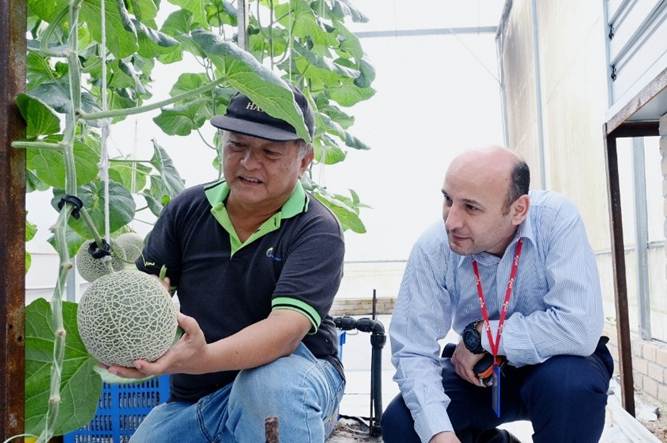
From left: Founder of HAMI Ecofarms Sdn Bhd Mr Aw Chee Choy and Dr Ali at UTAR Greenhouse of the muskmelon farming project
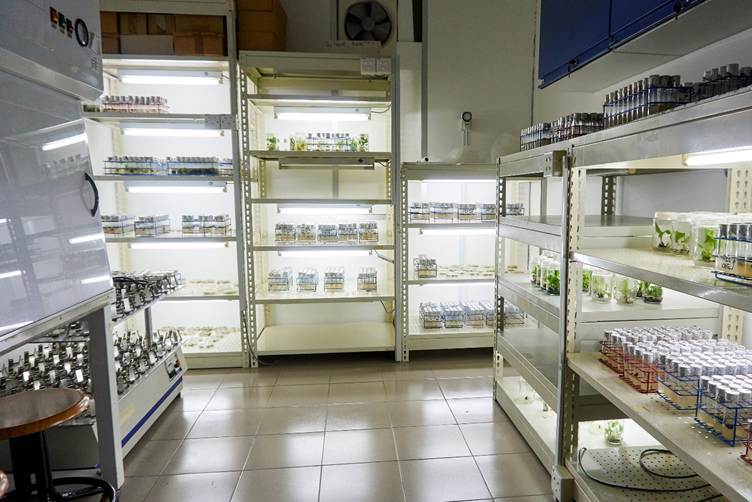
The plant tissue culture lab at FSc
View Other categories: NATIONAL | CAMPUS | ACHIEVEMENT | EDITOR'S DESK